
Executive Summary: Why B2B Video Marketing Went Vertical
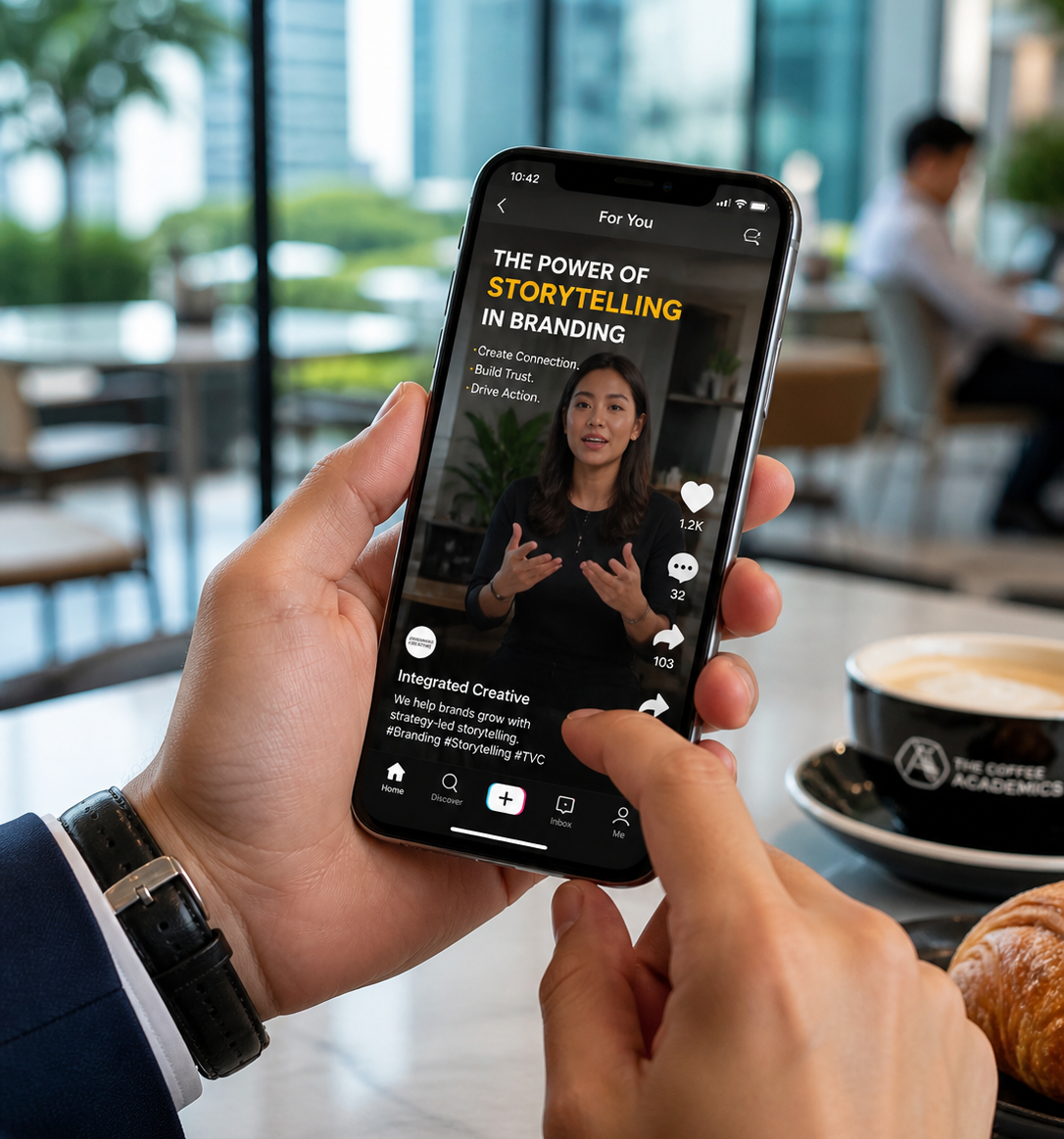
A vertical first B2B video marketing strategy prioritizes 9:16 portrait-mode content for mobile first platforms like LinkedIn and TikTok to drive higher engagement and pipeline. In 2026, Singapore B2B brands are shifting budgets toward 30 second vertical clips because they deliver 2 – 4× more reach on LinkedIn compared to traditional horizontal formats. By moving away from over produced 2 minute case studies and toward high frequency, “snackable” expertise, B2B leaders are seeing shorter sales cycles and lower customer acquisition costs.
Key Pillars of the Vertical Shift:
- Algorithmic Advantage: LinkedIn’s 2026 algorithm prioritizes vertical video feeds, offering significantly higher organic impressions than standard posts.
- The TikTok B2B Pivot: Singaporean SaaS and Fintech brands are now using TikTok for Business to reach decision makers who validate vendors via short form professional content.
- Volume Over Polish: A single-day “batch shoot” can generate 15 – 30 vertical assets, providing 4 – 6 weeks of consistent market presence from a single production budget.
- Trust Based Storytelling: Unlike B2C virality, B2B vertical strategy focuses on “signal of expertise”, using short form video to build trust and educate buyers before the first sales call.
For more on modern video formats, read AI video vs human storytelling and underrated Singapore filming locations.
What Is B2B Video Marketing?
B2B video marketing is the use of video content to attract, educate, and convert business decision makers not end consumers. It spans LinkedIn thought leadership, demo videos, customer case studies, and increasingly, short form vertical content on TikTok and Instagram Reels designed to reach B2B buyers in their personal scrolling time.
The goals of B2B video marketing differ fundamentally from B2C:
- Trust building over impulse B2B buyers commit to longer sales cycles and need confidence signals
- Expertise demonstration buyers shortlist vendors based on perceived competence, not entertainment
- Multi stakeholder education content must work across the buying committee (CFO, CTO, end user)
- Sales cycle acceleration the metric is qualified pipeline, not views or engagement vanity
What’s changed in 2026 is where and how this content lives. The format has gone vertical. The platforms have gone consumer native. The duration has compressed from 2 minutes to 30 seconds.
The strategic value of B2B video marketing isn’t theoretical. For a deeper look at how Singapore B2B brands are using video across pitch decks, product launches, and demand generation, our analysis on how corporate videos add value for Singapore B2B companies maps the use cases that consistently move the pipeline.
Why Vertical Video for LinkedIn Is the New B2B Default
LinkedIn shifted its algorithm meaningfully in late 2024 and through 2025 to prioritise vertical video, native uploads, and dwell time over reach metrics. The result: B2B brands still posting horizontal 16:9 video are systematically under-served by the algorithm.
What Changed on LinkedIn
- Vertical video gets dedicated full screen player treatment in feed
- Auto play with sound off requires strong visual hooks in first 1.5 seconds
- Dwell-time signals reward content that holds attention without requiring clicks
- Captions are now indexed by LinkedIn’s search
What This Means for B2B Brands
If your existing video library is all horizontal 16:9 produced for YouTube or website embeds, none of it is optimised for the platform where your buyers actually research you. A vertical first b2b video marketing strategy isn’t a stylistic choice, it’s distribution arithmetic.
This shift also affects how you brief production. A creative production house planning a B2B shoot in 2026 should be capturing 9:16 as the primary frame, with 16:9 as a secondary deliverable, not the other way around.
TikTok for Business Singapore: The Emerging B2B Channel
The fastest growing B2B video marketing channel in Singapore isn’t LinkedIn, it’s TikTok. This will surprise CMOs whose mental model places TikTok firmly in B2C territory.
Why B2B Buyers Are on TikTok
- B2B decision makers are humans who scroll personal feeds during work breaks
- TikTok’s algorithm surfaces niche professional content (#SaaS, #FintechSG, #B2BMarketing) without follower thresholds
- Shorter attention pattern conditions buyers to absorb information in 30 second blocks
- Search behaviour has shifted: younger buyers search TikTok before Google for vendor research
B2B Categories Winning on TikTok in Singapore
- SaaS and software product demos, feature explainers, founder POVs
- Fintech regulatory updates, market commentary, payment innovations
- Professional services accounting, legal, marketing consultancies showing thinking, not credentials
- HR and recruitment tech talent market insights, hiring data drops
The pattern: brands win on TikTok by being useful, not by being entertaining. This is the inverse of B2C TikTok strategy.
Short Form Video Strategy: The B2B Content Architecture
A high performing short form video strategy for B2B isn’t random. It follows a specific content architecture that maps to the buyer journey.
The Three Tier B2B Vertical Video Framework
Tier 1: Awareness Content (60% of output)
- Industry insights, market commentary, “what’s broken in [category]”
- Goal: be discovered by buyers not yet searching for solutions
- Format: founder/expert on camera, 20 – 40 seconds, strong hook
Tier 2: Consideration Content (30% of output)
- “How we think about [problem]”, framework explainers, methodology
- Goal: show how you think, not what you sell
- Format: animated explainers, screen recorded walkthroughs, talking head depth
You might also like employer branding videos in Singapore.
Tier 3: Decision Content (10% of output)
- Customer testimonials in vertical, specific case results, comparison breakdowns
- Goal: validate buyer’s shortlist
- Format: case study cuts, customer voice clips, before/after data
The mistake most B2B brands make is over-investing in Tier 3 (sales content) and starving Tier 1 (discovery content). The algorithm rewards consistent Tier 1 output, which feeds the funnel that Tier 3 closes.
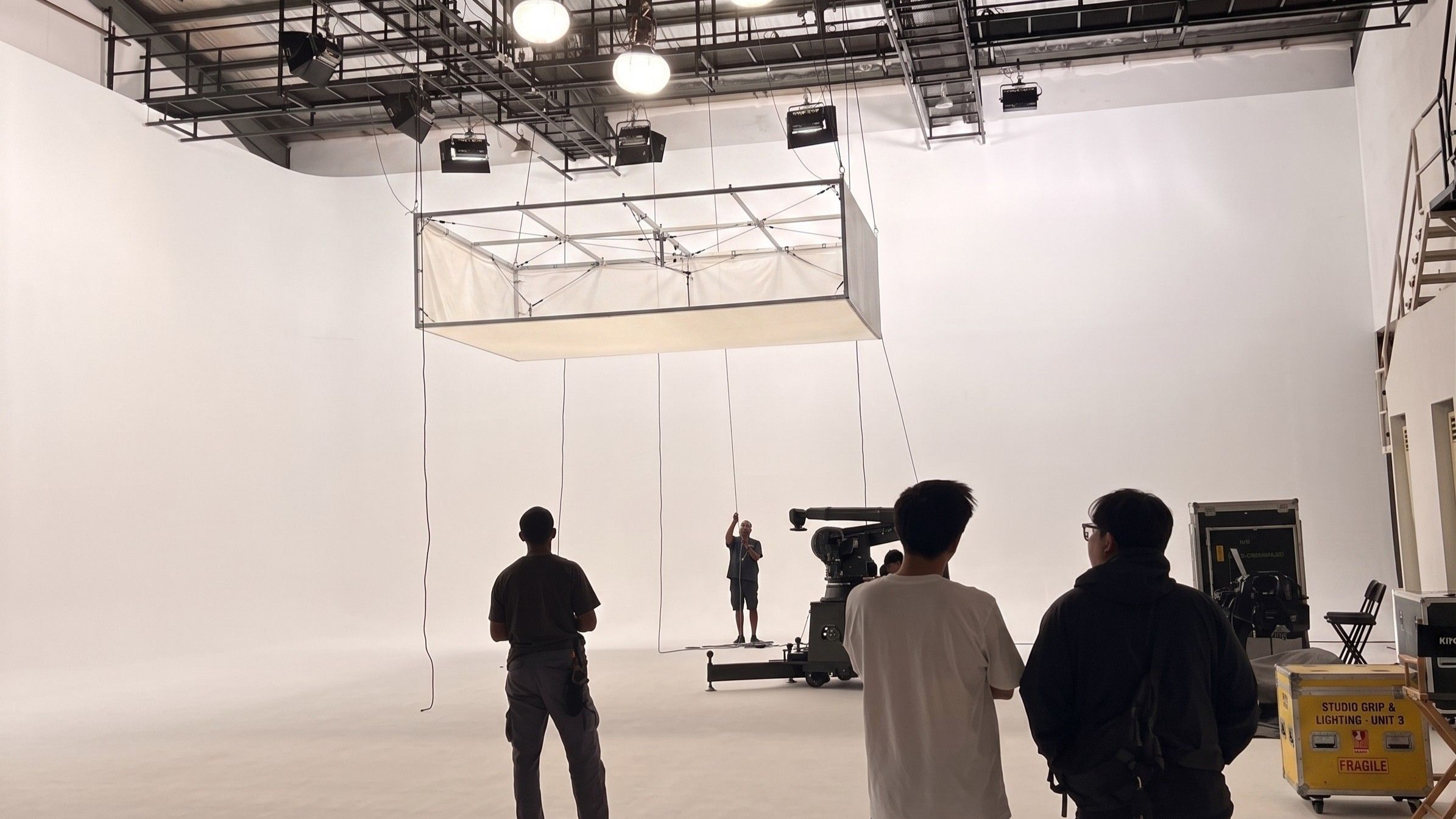
 How One Shoot Day Becomes 30 Vertical Assets
The economics of vertical b2b video marketing only work if production efficiency keeps pace. Singapore production budgets don’t justify 15 separate shoot days per quarter.
The Modular Shoot Strategy
A properly briefed B2B vertical shoot day produces:
- 3 – 5 anchor pieces (60 second long-form vertical, talking head depth)
- 10 – 15 short cuts (15 – 30 second versions for higher frequency posting)
- 5 – 10 quote graphics with B roll (text led posts with vertical motion)
- 3 – 5 carousel hybrids (vertical video paired with carousel images)
Total: 20 – 35 distinct social ready assets from one production day.
This requires upfront planning at the brief stage content architecture defined before the cameras roll. A production partner that doesn’t push you to plan distribution this way will leave 70% of the value on the table.
The same modular thinking applies to creative led commercial work see our breakdown of how a creative video agency produces viral ads in Singapore for the step by step process behind multi asset production days.
Is TikTok Effective for B2B Marketing?
Yes when the strategy matches B2B buyer behaviour, not B2C entertainment patterns. TikTok works for B2B brands that prioritise educational utility, expertise demonstration, and consistent presence over viral moments.
| B2B TikTok Works When You: | B2B TikTok Fails When You: |
| Post 3 – 5× per week minimum (algorithm rewards consistency) | Repurpose horizontal corporate videos into vertical without reformatting |
| Lead with insight, not promotion (buyers reject overt sales content fast) | Post quarterly campaign drops instead of consistent weekly content |
| Use creator – style production values (over-polished video underperforms) | Treat the platform as broadcast, not conversation |
| Engage in comments as a brand voice, not a corporate account | Measure success by views instead of qualified inbound |
| Track pipeline impact, not just engagement metrics | – |
The brands seeing real pipeline from TikTok are treating it as a buyer education channel, not a brand awareness channel.
Social Media Video Production Singapore: What Has Changed
Singapore’s social media video production market has split into two distinct disciplines:
| Dimension | Old Model Social Production | New Model Social Production |
|---|---|---|
| Cadence | Quarterly hero campaigns | Continuous monthly retainer content |
| Format | Polished 16:9 ads | Vertical-native shooting, multi cut planning |
| Production Cycle | Long pre production cycles, single format outputs | Distribution led briefing (which platforms first?) |
| Distribution Approach | Distribution as afterthought to creative | Platform first planning at brief stage |
| Best Suited For | Traditional brand awareness | Pipeline driven B2B and DTC brands |
Singapore B2B brands serious about video as a growth channel are increasingly choosing the new-model approach. The economics, output volume, and platform alignment all favour it.
Why B2B Video Marketing Strategy Matters in 2026
For senior B2B marketers, the choice of video strategy is now directly tied to pipeline. Here’s what’s at stake:
1. Buyer Behaviour Is Already Vertical
70%+ of B2B buyer research now happens on mobile. Horizontal video designed for desktop YouTube is misaligned with how decisions actually get made.
2. Sales Cycles Are Compressing With Self-Education
B2B buyers complete 60 – 80% of vendor evaluation before talking to sales. The brand whose vertical content shaped that evaluation has already won.
3. Production Costs Have Decoupled From Output
A single well planned shoot now produces months of vertical content. The brands still treating each video as a one off are operating on outdated economics.
4. Algorithm Distribution Is Free Pipeline
LinkedIn and TikTok organic reach for vertical video remains genuinely free. Paid amplification compounds an already working organic engine but doesn’t replace it.
 How to Audit Your B2B Video Marketing Strategy
Use this checklist to evaluate whether your current b2b video marketing is fit for 2026:
- Is your primary aspect ratio 9:16 or 16:9?
- Are you publishing weekly or quarterly?
- Does your production partner plan multi platform cuts at brief stage?
- Are you on LinkedIn vertical and TikTok, or only LinkedIn?
- Can your sales team cite specific videos that influenced closed-won deals?
- Is your content architecture awareness heavy or sales heavy?
If you scored “no” on three or more, your video strategy is operating on a 2022 playbook in a 2026 market.
Conclusion: Pipeline Lives in the Vertical Feed
The brands winning B2B in 2026 aren’t outspending competitors on production. They’re outsmarting them on format, frequency, and platform alignment. Vertical first b2b video marketing is no longer experimental; it’s the default for any brand serious about pipeline growth.
This shift demands a different production approach: continuous over campaign based, vertical over horizontal, useful over polished, weekly over quarterly.
If your current video output doesn’t match where your buyers actually spend their attention, the gap will only widen.
To see how a vertical first production engine can fuel your LinkedIn and TikTok pipeline, explore our social first production services and let’s architect your content strategy before we pick up the camera.
Ready to create yours? Explore our content creation services.



